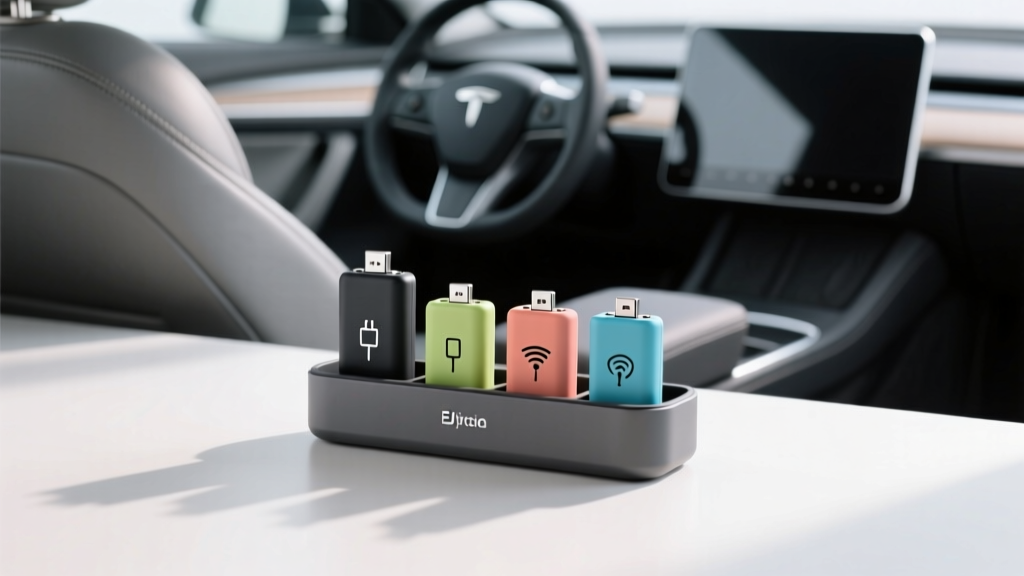
Battery Case Storage: Beginner’s Guide (2026)
Whether you drive a daily commuter, a weekend off-roader, or a track toy, there?s one piece of gear most car owners don?t think about until it causes trouble: the battery. Not just the car?s starting battery, but also the spare batteries you keep for jump starters, tire inflators, flashlights, dash cams, radios, camera gear, and other interior accessories. Storing batteries ?wherever they fit? can lead to mess, corrosion, dead cells, and in worst cases, swelling or leaks that damage your interior.
A battery case (or battery storage box) is a simple upgrade that keeps your batteries organized, protected, and easier to maintain. It also helps you store battery-related items?terminal protectors, fuses, gloves, a small multimeter?so you?re not hunting through your trunk when you need power fast. This handbook walks you through what to store, how to store it, where to keep it inside your vehicle, and how to avoid the common mistakes that shorten battery life or create safety hazards.
If you?re building a cleaner trunk setup, a more reliable emergency kit, or you just want your car interior storage to feel intentional, this guide will get you there.
What ?Battery Case Storage? Means (and Why Car Owners Should Care)
Battery case storage is the practice of keeping batteries inside purpose-built cases or storage boxes designed to:
- Prevent short circuits by shielding terminals and separating loose cells
- Reduce physical damage from bouncing around in a glove box or trunk
- Contain leaks if a battery vents or a cell ruptures
- Control clutter so you always know what?s charged and ready
- Protect your interior from corrosion, acid residue, or melted plastic
Real-world example: A set of loose AA batteries rolling in a center console can contact coins or keys and heat up. It sounds unlikely?until it happens. Battery cases make that scenario nearly impossible.
Common Battery Types You Might Store in a Vehicle
Before you choose a battery storage case, identify what you?re actually carrying. Different chemistries and sizes benefit from different storage approaches.
Everyday cells (AA, AAA, C, D, 9V)
- Used for flashlights, headlamps, meters, kids? devices, and emergency radios
- Best stored in compartmented organizers with individual slots
Lithium-ion packs (power banks, camera batteries, tool batteries)
- Common in portable jump starters, inflators, cordless vacuums, and power tools
- Prefer protective cases with padding and heat-aware placement (not in direct sun)
Button cells (CR2032 and similar)
- Key fobs, tire pressure sensors, small remotes
- Must be stored in sealed packaging or dedicated coin-cell holders to avoid child/pet risk and shorting
12V emergency items (jump packs, spare batteries for accessories)
- Jump starters often live in the trunk?great idea if stored correctly
- Choose rugged cases with room for clamps, cables, and instructions
Choosing the Right Battery Storage Case
The ?best? battery case depends on what you store and where you store it. Use these criteria to narrow it down.
1) Material and durability
- Hard-shell plastic (ABS/PP): best all-around for vehicles; resists impact and moisture
- Rubber-sealed cases: ideal for trunk storage where spills and humidity happen
- Soft pouches: okay for lithium packs if padded, but less protective for loose cells
2) Internal layout
- Individual slots: stops batteries from touching and discharging
- Adjustable dividers: good if you mix sizes or carry chargers
- Dedicated 9V storage: prevents exposed terminals from contacting metal objects
3) Water resistance and sealing
- If you store batteries in the trunk, look for a gasketed lid or at least a tight latch.
- For off-road or coastal environments, a sealed case helps prevent corrosion on terminals.
4) Size and placement inside the car
- Glove box: slim cases; keep it light and quiet (no rattles)
- Center console: compact organizers only (avoid heat buildup and clutter)
- Trunk/cargo area: larger, rugged cases; consider tie-down points or a trunk organizer
5) Useful extras
- Built-in battery tester (handy, but don?t overpay for it)
- Label windows or write-on panels
- Foam padding for lithium packs
Recommended Battery Case Options (Beginner-Friendly Picks)
These categories cover most car owners without getting overly technical. When shopping, compare by capacity, layout, and ruggedness rather than brand hype.
Option A: Multi-cell organizer case (best for AA/AAA/9V)
Great for: glove box, trunk emergency kit, road trip supplies
- Separate slots for AA/AAA and a protected row for 9V
- Hard shell with a positive latch
- Room for a few spare fuses and a mini flashlight
What to look for: cases that close tightly even when full, and don?t let batteries rattle.
Option B: Waterproof field case with dividers (best for mixed gear)
Great for: trunk storage, overlanding, winter kits
- Adjustable dividers for power banks, camera batteries, headlamp cells
- Gasketed seal to protect from humidity and spills
- Easy to label and stack in a trunk organizer
Option C: Dedicated jump starter case (best for lithium jump packs)
Great for: keeping a portable jump starter complete and ready
- Foam or padded compartments for the jump pack and clamps
- Space for USB cable, 12V charging cable, and quick-start card
- Prevents the clamps from scratching interior plastics
Quick comparison
- Everyday convenience: Multi-cell organizer
- Maximum protection: Waterproof field case
- Emergency readiness: Dedicated jump starter case
Best Places to Store Battery Cases Inside Your Vehicle
Where you store batteries matters as much as the case. Heat, vibration, and moisture affect battery life?and your interior.
Glove box (good for small cases)
- Pros: accessible, protected from trunk moisture
- Cons: can get warm parked in sun; limited space
- Tip: keep only what you?ll use often?like AA/AAA for a flashlight or key fob backup battery.
Center console (use sparingly)
- Pros: easy access
- Cons: clutter magnet; heat from cabin temps; potential rattles
- Tip: if you store here, choose a compact case that locks shut and doesn?t roll.
Trunk or cargo area (best for emergency kits)
- Pros: space for jump pack case, dividers, and related tools
- Cons: temperature swings; risk of water intrusion depending on vehicle
- Tip: store the case in a trunk organizer and strap it down so it doesn?t become a projectile in a sudden stop.
Under-seat storage (excellent balance)
- Pros: stable temperature compared to trunk; hidden; easy access
- Cons: limited height; must avoid seat track interference
- Tip: choose a low-profile hard case and test seat movement fully before committing.
Step-by-Step: How to Set Up a Battery Case Storage System
Step 1: Gather and sort your batteries
- Collect every loose battery from your car, garage, and travel kit.
- Sort by type: AA, AAA, 9V, button cells, lithium packs.
- Separate any battery that looks damaged (swollen, leaking, corroded terminals).
Step 2: Decide what belongs in the car
A practical starter list for most drivers:
- 4?8 AA (flashlight, emergency radio)
- 4?8 AAA (headlamp, small devices)
- 1?2 CR2032 (key fob backup, if your fob uses it)
- One charged power bank or jump starter (depending on your setup)
Real-world example: If you keep a tire inflator in the trunk, add the batteries (or charge cable) it needs in the same case. One location, no scrambling.
Step 3: Check charge and condition
- Use a simple battery tester or multimeter (especially for AA/AAA/9V).
- Keep the best cells for the car kit; rotate older ones to home use.
- For lithium jump starters/power banks, charge to the maker?s recommended storage level (often around 50?80% for long storage).
Step 4: Load the case correctly
- Place batteries into individual slots (don?t stack them loosely).
- Keep new and used separated?mixing them can cause uneven discharge.
- Store 9V batteries in a compartment that covers terminals.
- For lithium packs, avoid tight compression; use padding to reduce vibration.
Step 5: Label and date your inventory
- Add a small label: ?AA x8 (installed 05/2026)? or similar.
- If your case has no label area, use painter?s tape or a small tag.
- For jump packs: write the last charge date on a card inside the case.
Step 6: Place the case in the vehicle and secure it
- Choose a location away from direct sun and heat vents.
- Make sure the case can?t slide?use trunk organizer compartments, Velcro strips, or tie-down straps.
- Confirm it doesn?t rattle while driving.
Step 7: Set a simple maintenance schedule
- Monthly: quick visual check, confirm latches, look for corrosion
- Every 3 months: test AA/AAA if you rely on them for emergencies
- Every 2?3 months: top off jump starter or power bank (more often in extreme cold/heat)
Practical Tips for Longer Battery Life in a Car Interior
- Avoid dashboard storage: heat and sunlight shorten life and can damage lithium packs.
- Keep batteries dry: humidity accelerates corrosion on terminals?use sealed cases when possible.
- Don?t store loose metal nearby: coins, keys, and paper clips are the enemy of exposed terminals.
- Use silica gel packs: a small desiccant pack inside a hard case helps in humid climates.
- Rotate stock: bring older batteries into the house and replace your car kit with fresher cells once or twice a year.
Common Mistakes to Avoid
- Throwing batteries into a zip-top bag: it?s better than nothing, but terminals can touch and the bag offers little impact protection.
- Mixing new and used cells: leads to weak performance and can cause leakage in alkaline batteries under load.
- Leaving lithium batteries fully charged for months: many lithium packs age faster when stored at 100% in warm conditions.
- Ignoring swollen packs: swelling is a warning sign?remove it from the vehicle and follow local disposal guidelines.
- Storing in extreme heat: glove boxes and trunks can get very hot; choose shaded areas like under-seat storage when possible.
- Not securing the case: anything heavy in the cabin can become dangerous during hard braking or an accident.
FAQ: Battery Case Storage for Beginners
Should I keep batteries in the trunk or inside the cabin?
For small AA/AAA cases, the cabin (glove box or under-seat) usually offers more stable temperatures. For larger kits like a jump starter case, the trunk is fine if the case is rugged, secured, and you check charge levels more often during hot summers or freezing winters.
Is it safe to store a lithium jump starter in my car year-round?
Generally yes, if it?s a quality unit and stored in a protective case away from direct heat. Expect to recharge it more often in temperature extremes. If your summers are brutally hot, consider bringing it inside when parking for long periods.
How do I stop batteries from leaking and ruining my interior?
Use a hard battery organizer with individual slots, avoid mixing old and new cells, and remove any battery with crusty residue or corrosion immediately. Keeping a small barrier (like a sealed case) between the battery and your interior materials is the biggest win.
Do I need a battery tester in my storage case?
It?s helpful but not mandatory. If you already own a small multimeter, that?s enough. A basic tester is convenient for quickly sorting ?good? vs. ?replace? batteries before a trip.
How many spare batteries should I keep in my car?
Most drivers are covered with 4?8 AA, 4?8 AAA, and a key-fob coin cell (if applicable), plus either a charged power bank or a jump starter. If you camp or overland, scale up based on your actual gear.
What should I do with old or damaged batteries I find in my car?
Don?t toss them in the glove box ?for later.? Bag them separately, keep terminals from touching (tape works), and take them to a battery recycling drop-off or household hazardous waste program. Leaking alkaline and swollen lithium packs should be handled promptly.
Wrap-Up: Your Next Steps
Start small: pick one battery case that matches your most common needs (AA/AAA/9V organizer for most drivers, or a dedicated case for a jump starter if you rely on one). Load it with tested batteries, label it, secure it in your vehicle, and set a simple reminder to check it every couple of months. You?ll get a cleaner interior, more reliable emergency readiness, and fewer surprises when you actually need power.
If you want more practical interior organization ideas, emergency kit checklists, and storage upgrades that make driving easier, explore more guides on carinteriormix.com.